
Mastering Credit Card Finance: Let Your Credit Card Be a Tool for Wealth Management
Credit cards, as one of the most commonly used financial tools in modern society, have gradually integrated into daily life. Whether it’s shopping, traveling, or paying bills, the convenience of credit cards makes them an essential part of many people’s financial management. However, the use of a credit card is not merely about making purchases—it also involves a series of financial management knowledge. If managed properly, credit cards can not only help improve your credit score but also provide a range of financial benefits. On the other hand, if used improperly, credit cards can become a financial burden. Therefore, mastering the correct credit card financial management knowledge is crucial.
1. Basic Structure and Functions of Credit Cards
A credit card is essentially a payment tool issued by a bank or financial institution that allows you to make purchases up to a certain credit limit. The main functions of credit cards include:
- Credit Limit: This is the maximum amount a bank or financial institution will allow you to borrow. The credit limit is usually determined by your credit history, income level, and other related factors.
- Grace Period: Most credit cards offer a grace period, typically ranging from 20 to 50 days. This means that if you pay off your balance in full before the due date, you won’t have to pay any interest on your purchases.
- Installment Payments: If you cannot pay off your bill in full, credit card companies usually offer the option to pay in installments. However, installment payments generally come with additional fees or interest, so they should not be chosen lightly.
- Rewards and Points: Modern credit cards often offer reward programs, such as shopping points, travel miles, or cashback. Different credit cards have different policies regarding rewards, and when used wisely, these can provide significant value.
2. How to Choose the Right Credit Card for You
There are many different types of credit cards available, each with its own unique features and benefits. Choosing the right credit card is crucial for effective financial management. Here are several factors to consider when selecting a credit card:
2.1 Annual Fee
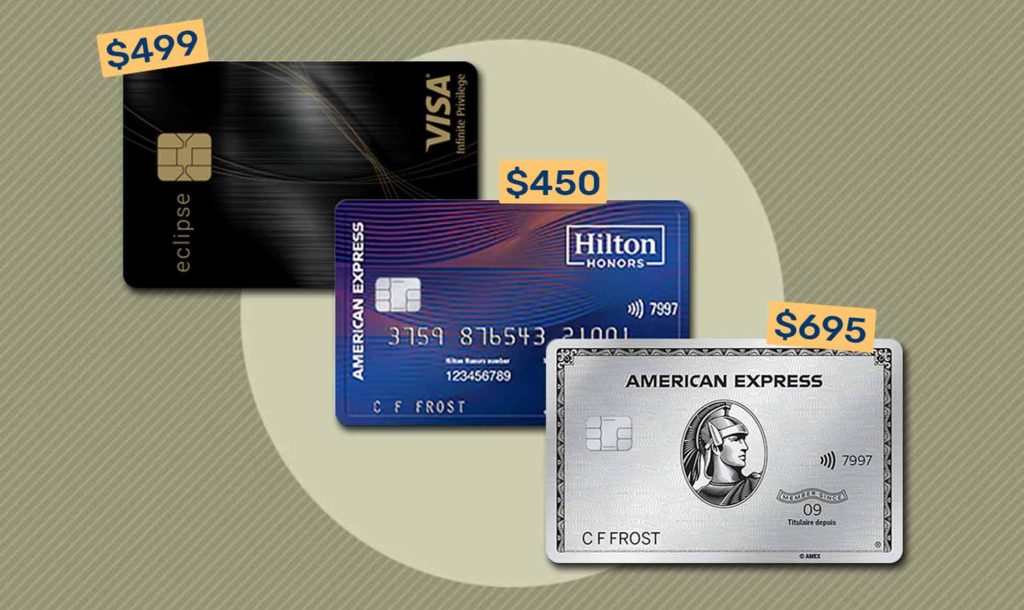
The annual fee is a fixed fee that you must pay every year for the use of the credit card. The amount of the annual fee varies. Some credit cards have lower annual fees, and some even offer waivers, while others, especially premium cards, may have higher fees but come with better benefits and rewards. When choosing a credit card, it’s important to consider the balance between the annual fee and the rewards you can gain from it.
2.2 Interest Rates and Fees
The annual percentage rate (APR) on credit cards generally ranges from 15% to 25%, depending on your credit standing. A higher APR means that if you carry a balance, the interest charges will be more significant. Pay close attention to any penalties for “late payments” or “delayed payments” as these can be particularly high.
2.3 Rewards and Points Programs
Most credit cards offer some form of reward, whether it’s points or cashback. The way rewards are accumulated, and their redemption methods, vary between credit cards. For example, some cards offer higher rewards for specific categories like dining, travel, or fuel. When selecting a card, you should choose one that aligns with your spending habits and maximizes rewards for the categories where you spend most.
2.4 Customer Service and Convenience of the Credit Card Issuer
The level of customer service provided by the credit card issuer is also important. Some banks offer more convenient online account management systems or provide better customer service globally. Choosing a credit card issuer with a reliable customer service team can make resolving issues much smoother and quicker.
3. How to Use Credit Cards Correctly
How you use your credit card directly impacts your financial situation. Proper use of a credit card can help improve your credit score, accumulate rewards, and enjoy various benefits. Here are some important guidelines to use your credit card effectively:
3.1 Pay on Time, Avoid Late Fees
The most fundamental and important rule is to pay your credit card bill on time. Whenever your statement comes in, ensure that you make the payment before the due date to avoid incurring high interest. Even if you cannot pay the full balance, try to pay at least the minimum payment to avoid late payment records, which can negatively impact your credit score.
3.2 Control Your Spending, Don’t Exceed Your Credit Limit
While credit cards offer you the ability to spend beyond your current cash flow, excessive reliance on them or spending beyond your credit limit can severely affect your financial health. Set a reasonable spending plan to ensure that your monthly spending stays within your ability to repay.
3.3 Understand Your Credit Card Statement
Each month, your credit card statement will detail your spending, minimum payment, due date, and other important information. It’s essential to review the statement carefully and make sure all the charges listed are ones you’ve authorized. If you notice any discrepancies, contact your credit card issuer immediately to resolve the issue.
3.4 Avoid Over-Reliance on Installment Payments
While installment payments may seem attractive, especially for larger purchases, they usually come with high interest rates. It’s better to pay the full balance within the statement period to avoid turning installment payments into a long-term financial burden.
4. How to Improve Your Credit Score
Your credit score is an important indicator of your creditworthiness, and a high score can help you enjoy lower loan interest rates, higher credit limits, and other benefits. Here are some effective ways to improve your credit score:
4.1 Pay on Time
Paying your bills on time is the most basic requirement for improving your credit score. Credit card companies typically report your payment history to credit rating agencies. If you consistently pay on time, your credit score will naturally improve.
4.2 Maintain a Low Credit Utilization Ratio
The credit utilization ratio (i.e., the ratio of your outstanding debt to your available credit limit) is an important factor in determining your credit score. Keeping your utilization ratio below 30% is generally recommended. This means you should try to avoid using more than 30% of your available credit limit to maintain a healthy credit score.

4.3 Diversify Your Credit Accounts
In addition to credit cards, having a mix of credit products (e.g., personal loans, auto loans, etc.) can also help improve your credit score. A diverse credit portfolio demonstrates your ability to manage different types of debt, which can positively impact your score.
4.4 Regularly Check Your Credit Report
Regularly checking your credit report is crucial to ensure that the information is accurate. If you find any errors, report them to the credit bureaus immediately. Correcting mistakes can prevent your credit score from being negatively affected by inaccurate information.
5. Credit Card Pitfalls and How to Avoid Them
Although credit cards are convenient financial tools, they also come with potential pitfalls. If you are not careful, they can lead to financial troubles. Understanding common credit card traps and taking steps to avoid them is essential for effective financial management.
5.1 High Interest Rates and Late Fees
If you fail to pay your bill in full on time, credit card companies typically charge high interest rates and late fees. These fees are usually higher than other forms of borrowing and can quickly accumulate, causing your debt to snowball. Therefore, it’s crucial to avoid late payments. Plan ahead to ensure you always have enough funds to make timely payments.
5.2 Hidden Fees with Installment Payments
While installment payments may seem like a solution for large purchases, they usually come with hidden fees, including interest and administrative charges. If you decide to use installment payments, ensure you fully understand the terms and costs involved, and always calculate the total amount you’ll end up paying to determine if it’s the most cost-effective choice.
5.3 Hidden Charges
Some credit cards offer additional benefits, such as travel insurance, purchase protection, and other perks. While these benefits may seem advantageous, they often come with high annual fees. Be sure to review the terms and conditions of any additional services and evaluate whether the added cost is worth the benefits.
5.4 Overusing Credit Cards
Frequent applications for multiple credit cards or making high-limit purchases without planning can lead to excessive credit card debt. This can ultimately hurt your financial stability. Use credit cards responsibly and avoid getting into a situation where you cannot pay off your debt.
6. Tips for Using Credit Cards to Enhance Financial Health
- Review Your Credit Card Statement Regularly: Check your statement every month to ensure there are no unnecessary charges or errors.
- Leverage Credit Card Rewards: Choose credit cards that align with your spending habits, and make the most of cashback or points programs.
- Set Up Automatic Payments: To avoid forgetting payments, consider setting up automatic bill payments to ensure that your credit card bills are paid on time.
While credit cards offer a convenient way to make payments, they also present financial management challenges. By mastering the correct credit card knowledge and using them responsibly, you can avoid unnecessary financial risks. With the right choice of credit cards, diligent management of your bills, and efforts to improve your credit score, you can enjoy the benefits of credit cards while using them as an effective tool to enhance your overall financial health.